Acetic AcidSterile Laboratory Solution · Lot-Traced
Research-use labratory solvent and reagent.
Everything researchers need to know about Acetic Acid
Manufacturing, testing, handling, and shipping details for Acetic Acid. For research purposes only — not for human or animal consumption.
Acetic Acid — Product Overview
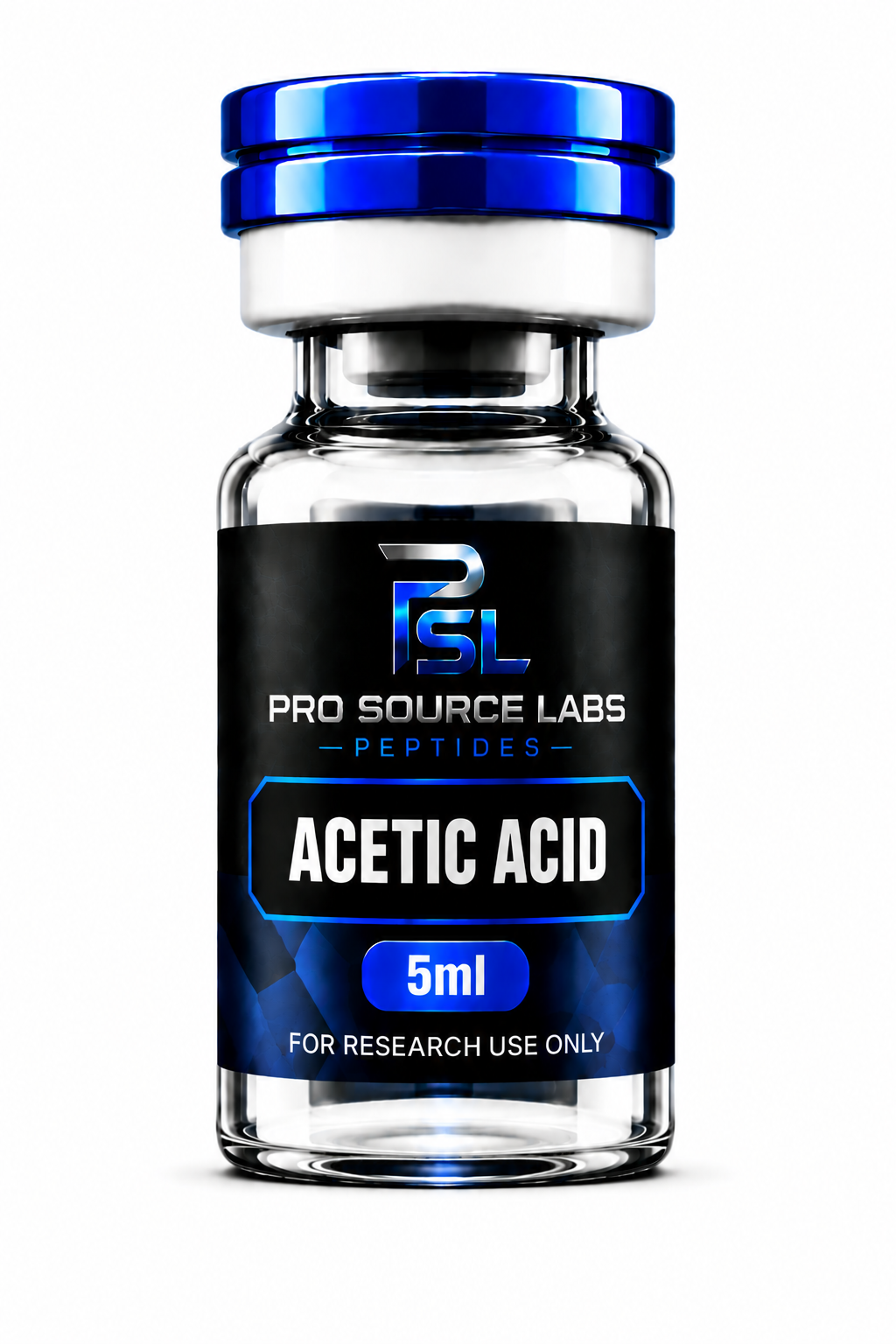
Acetic Acid (CH₃COOH) as supplied by ProSource Labs is a dilute aqueous solution packaged for laboratory research use. Acetic acid is a weak organic carboxylic acid (pKa 4.76) and, in dilute aqueous form, is the standard low-pH diluent used specifically to solubilize hydrophobic peptides that resist dissolution in neutral aqueous buffers. This is a liquid reagent — it is not a peptide, not a lyophilized powder, and is stored at room temperature rather than frozen.
Acetic Acid — Formulation & Vial Specifications
ProSource Labs supplies Acetic Acid in the following available vial sizes for research purchase: 5mL. Product SKU references: AA-5mL.
- Weak organic acid; CH₃COOH, MW 60.05 g/mol
- Miscible with water in all proportions
- Standard low-pH solubilization diluent for hydrophobic peptides in preclinical research
- Store in acid-compatible sealed containers away from strong bases
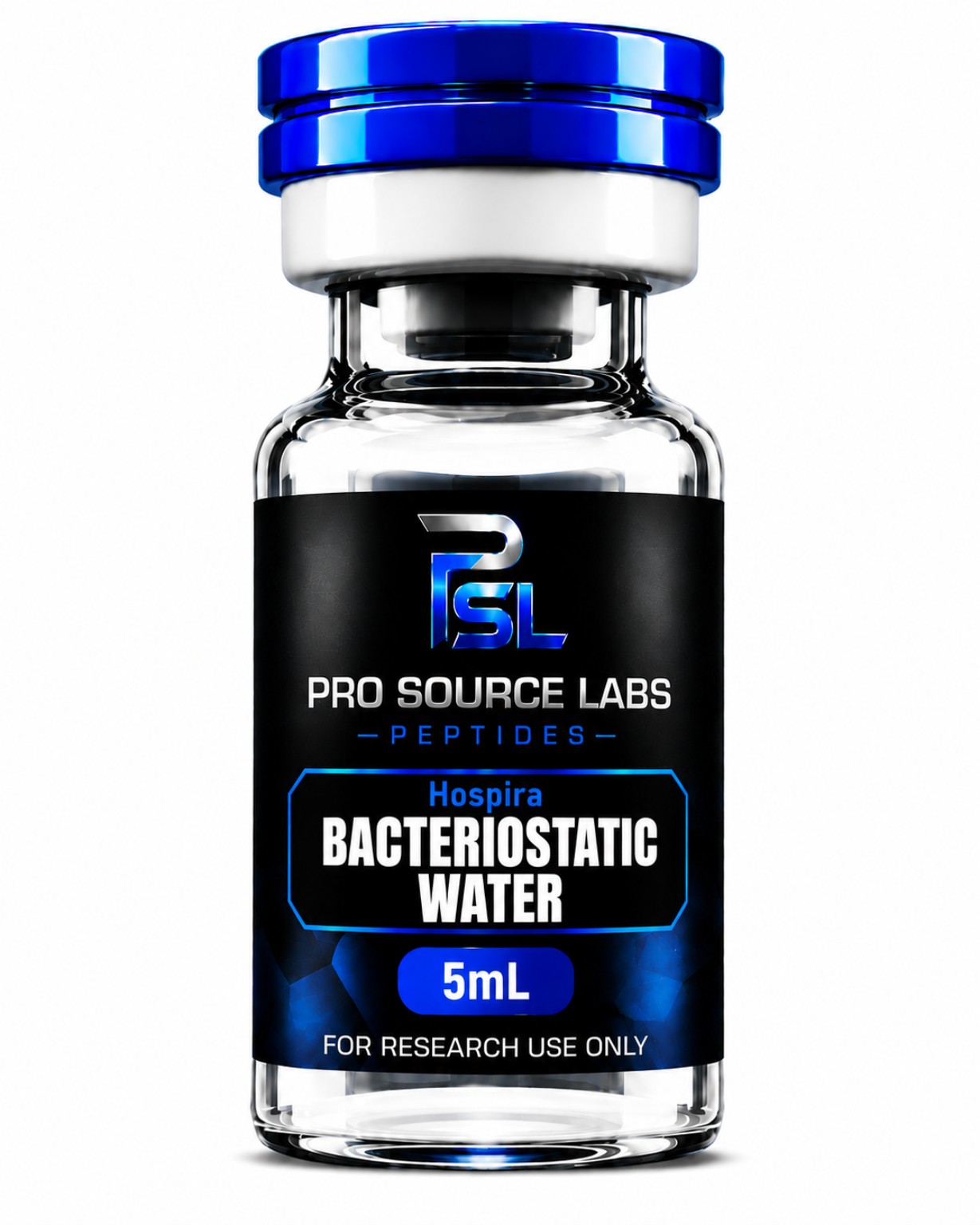
Each vial is sealed under sterile conditions in the source manufacturer's cGMP facility (for pharmaceutical-grade solutions like Hospira Bacteriostatic Water) or in a validated laboratory environment for laboratory-grade reagents. Vials are visually inspected for particulate matter and seal integrity before release.
Acetic Acid — Handling & Storage Guidelines
Storage: Store at room temperature (15–30°C), tightly capped and upright, away from strong bases, oxidizing agents, and direct sunlight. Do NOT freeze — freezing can compromise vial seal integrity and shift the equilibrium concentration.
Because Acetic Acid is a liquid, freezing is not appropriate — freeze-thaw cycles can compromise the vial's seal, alter the concentration through water-ice expansion damage, and (for preserved solutions) can affect preservative distribution. Store the sealed vial upright.
All laboratory handling should follow the receiving institution's standard operating procedures for sterile reagents. Once a vial's rubber septum has been punctured, the contents should be treated per the corresponding manufacturer's product monograph.
Acetic Acid — Quality & Documentation
Because Acetic Acid is a liquid reagent rather than a synthetic peptide, HPLC purity testing is not the relevant analytical method. Quality documentation for this product covers the manufacturer's certificate of sterility, endotoxin testing, fill-volume verification, and (for preserved products) preservative concentration analysis.
For pharmaceutical-grade products supplied through ProSource Labs (such as Hospira Bacteriostatic Water for Injection), the underlying manufacturer's FDA-approved product monograph is the authoritative reference for composition, storage, and in-use timelines. Request the source documentation from customer support after purchase if required for your institution's incoming QA workflow.
Acetic Acid — Typical Laboratory Application
Dilute acetic acid solutions are commonly referenced in peer-reviewed peptide chemistry protocols as a solubilization diluent for hydrophobic long-chain research peptides — including GLP-1 class analogs, Retatrutide-class triple-agonist peptides, Tirzepatide-class dual agonists, and other peptides bearing hydrophobic fatty-acid side chains that limit neutral-buffer solubility. The mild acidic environment (typically pH ~3) helps disrupt hydrophobic aggregation and drives the peptide into solution. Once dissolved, researchers typically titrate to the working pH required by their downstream assay.
Acetic Acid — Packaging & Fast Southern California Shipping
Acetic Acid vials ship in tamper-evident, moisture-resistant, cold-chain-friendly outer packaging from our Southern California distribution facility for fast US domestic delivery — typically 2-4 business days coast-to-coast, with expedited options available at checkout.
Every Acetic Acid shipment is discreet — the outer packaging carries no product-specific branding or direct reference to the compound name inside, protecting researcher privacy. Tracking numbers are emailed automatically. For institutional or high-volume orders, dedicated wholesale pricing is available through the wholesale portal.
Our full FAQ covers ordering, wholesale, lab-verification, and customer support topics.
Explore related peptides
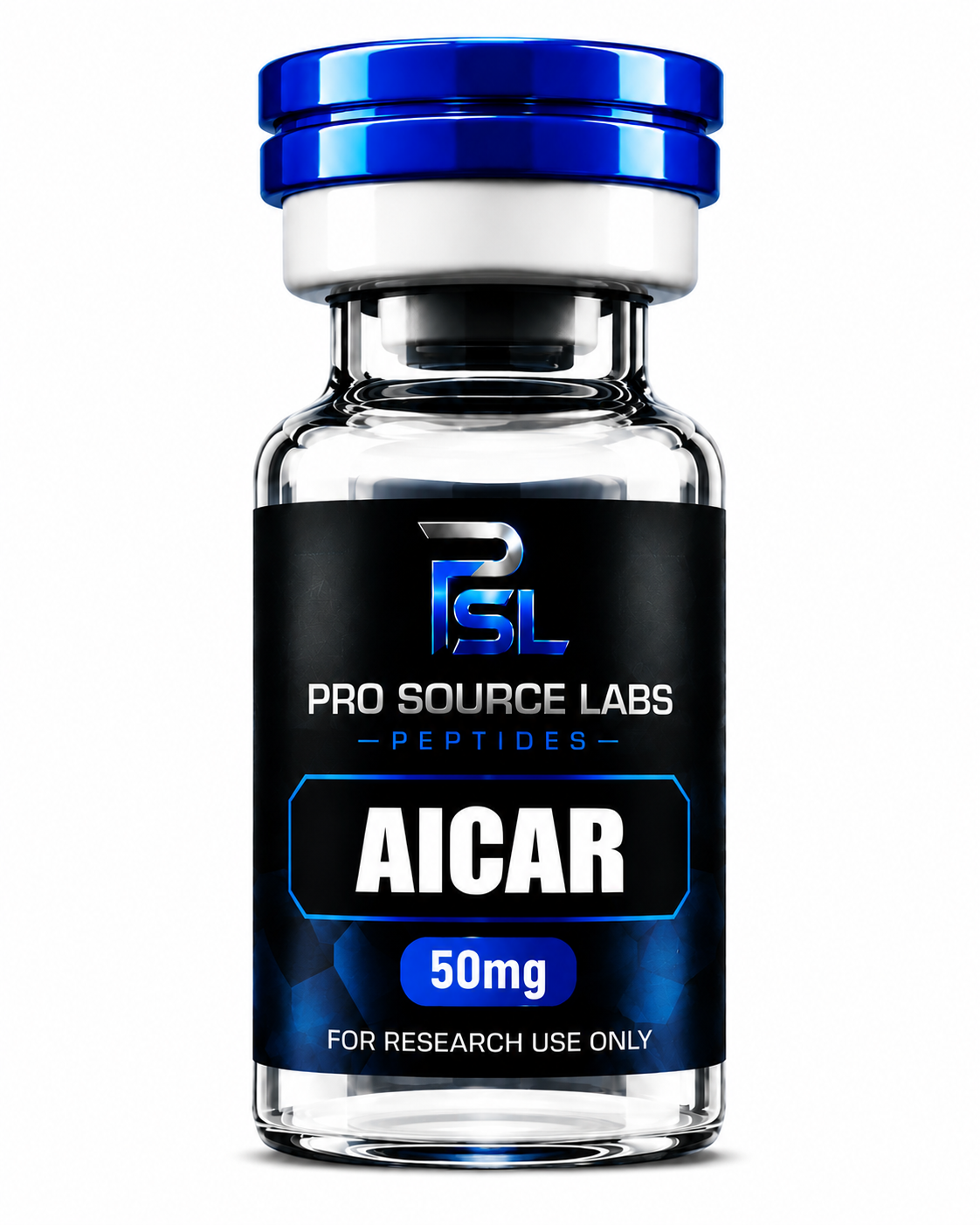
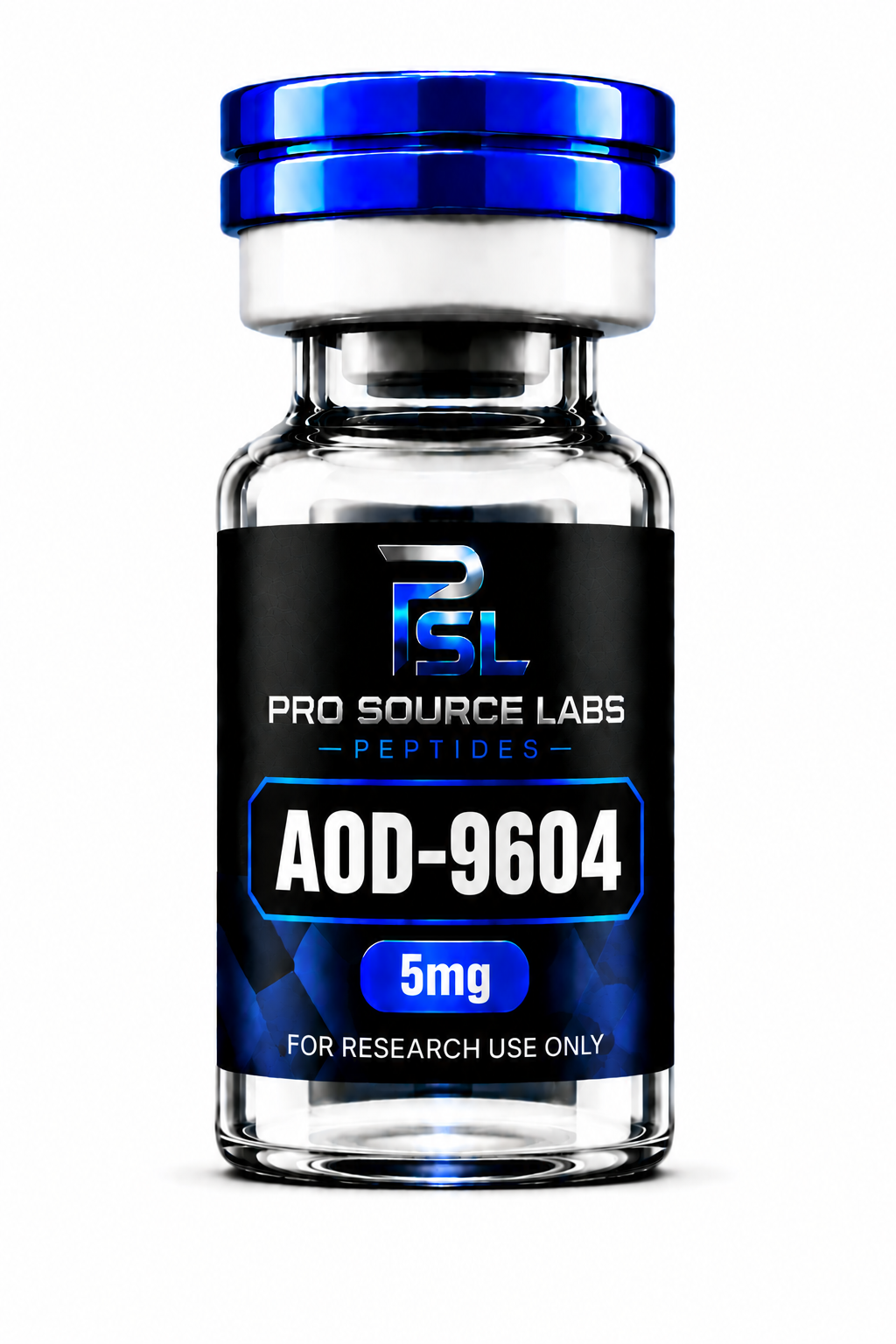
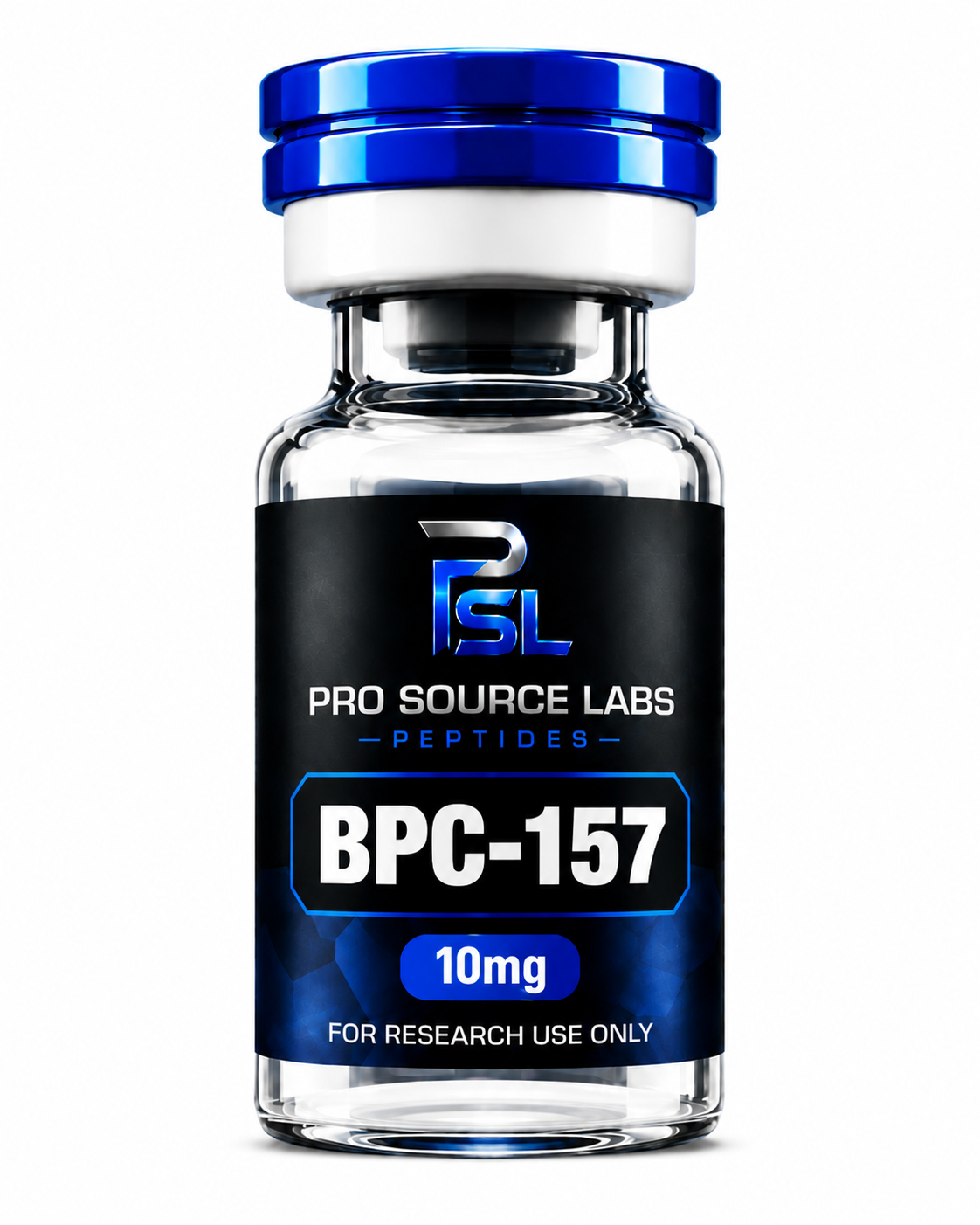
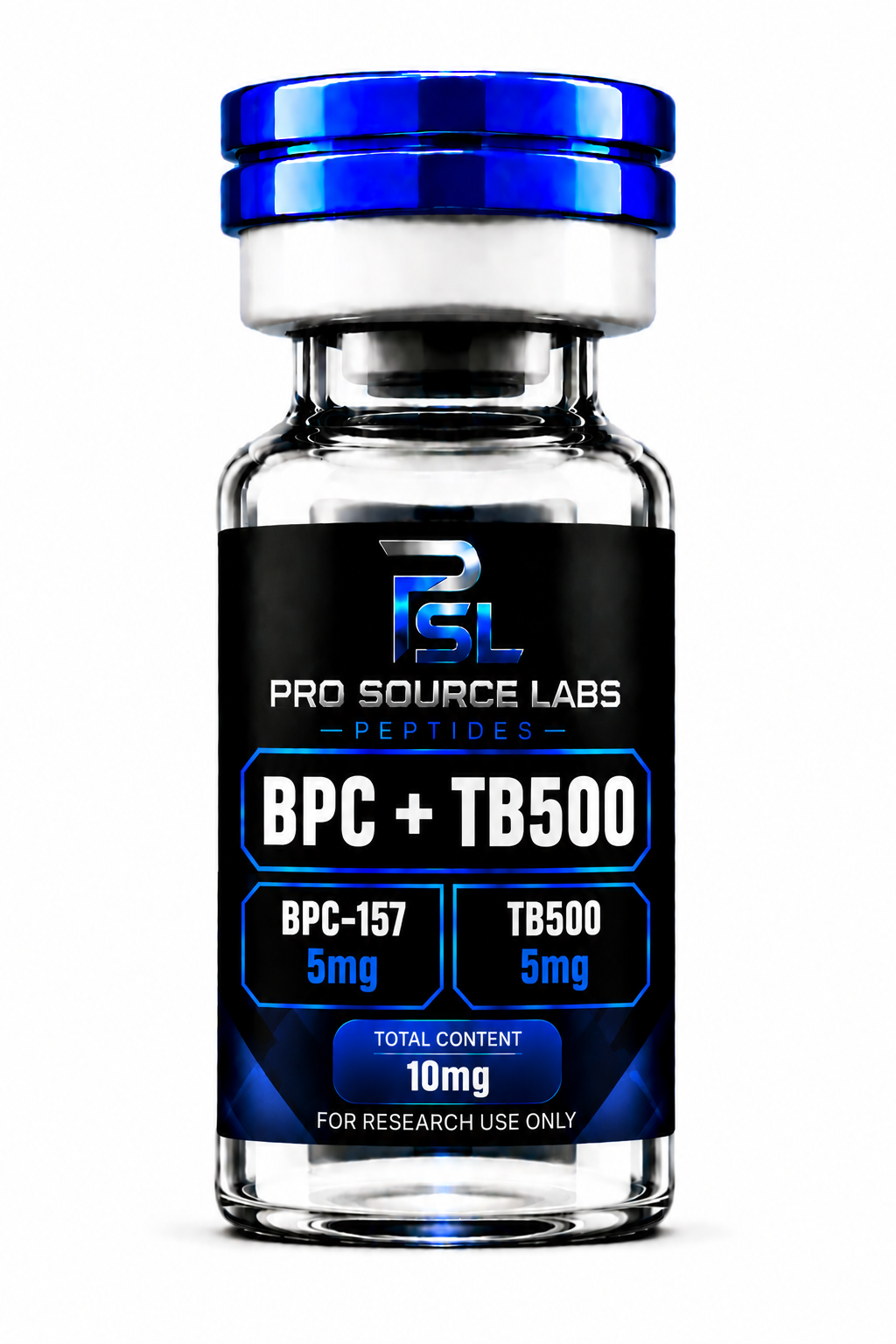
About Acetic Acid
What is Acetic Acid?
Acetic Acid is a sterile aqueous laboratory solution — a liquid diluent supplied by ProSource Labs for research use. It is not a peptide and not a lyophilized powder.
How is Acetic Acid quality tested?
Acetic Acid is a sterile laboratory solution — the relevant quality documentation is the manufacturer's sterility validation, endotoxin (for solutions), and fill / concentration verification for each lot. HPLC purity testing is not the applicable method for this product class.
How is Acetic Acid shipped and stored?
Acetic Acid ships domestically within the US via tracked packaging. Storage: Store at room temperature (15–30°C), tightly capped and upright, away from strong bases, oxidizing agents, and direct sunlight. Do NOT freeze — freezing can compromise vial seal integrity and shift the equilibrium concentration.
Who can purchase Acetic Acid?
Acetic Acid is available to researchers, academic labs, biotech companies, and independent research professionals aged 21+ in the US. All sales are strictly for research use only.
Is Acetic Acid available at wholesale pricing?
Acetic Acid is a Lab Supplies item and is not offered through the wholesale kit program. Contact us directly for bulk laboratory-supply pricing inquiries.